5 Best Fishing Spots Near Nashville for 2026

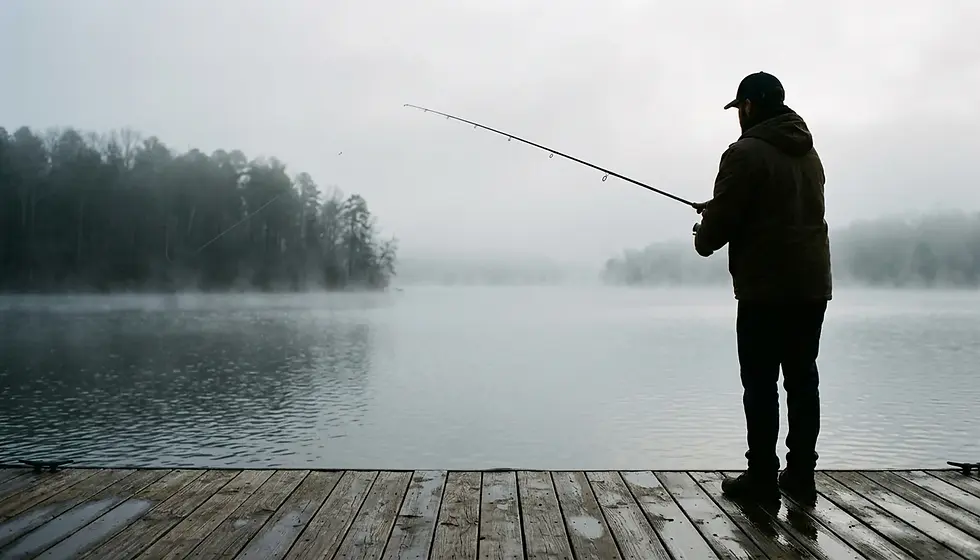
The best fishing spots near Nashville range from urban ponds you can reach in ten minutes to reservoirs that take an hour or more, and the right one for you depends on whether you have a boat, kids in tow, or just an afternoon to kill before dinner on Broadway. J. Percy Priest Reservoir, Old Hickory Lake, and urban lakes like Lake Watauga in Centennial Park cover the full range, from largemouth bass in open water to bluegill off a city pier.
Key Takeaways
J. Percy Priest Reservoir sits about 11 miles from downtown Nashville and covers 14,035 acres, with largemouth bass, crappie, striped bass, and trout all present.
Old Hickory Lake, roughly 27 miles from Nashville near Hendersonville, spans 20,287 acres and holds walleye and sauger in addition to three bass species.
Free, permitted fishing exists inside the city at Lake Watauga (Centennial Park), Lake Sevier (Shelby Park), Cedar Hill Park Pond, and Little Harpeth River access points in Edwin Warner Park.
Center Hill Lake (about 70 miles out) and Dale Hollow Lake (around 100 miles) are full-day trips, not near-Nashville options, despite some guides labeling them loosely.
Nashville drew 16.9 million visitors in 2026, according to Tourism Economics and the Tennessee Department of Tourist Development, and a growing share are booking group houses that put them within a short drive of both honky tonks and a boat ramp.
A valid Tennessee fishing license is required at nearly every location on this list; check current requirements with the Tennessee Wildlife Resources Agency before you cast a line.
If your Nashville trip involves a fishing rod alongside your boot-scootin' plans, you're not alone. Plenty of groups staying near Broadway squeeze in a morning on the water before an afternoon of hot chicken and honky tonks, and Nashville's geography makes that surprisingly easy. The city sits at the intersection of the Cumberland River and two major Army Corps of Engineers reservoirs, which means you get fishing options inside the city limits and within a short drive of it.
This guide sorts fishing spots near Nashville into three honest categories: inside the city, under thirty minutes away, and full-day trips that some other guides misleadingly call "near Nashville." We'll cover species, access type, and practical details like parking, restrooms, and ADA access that most competitor roundups skip entirely. As of 2026, Nashville's population growth has put more pressure on the closest urban lakes, so knowing exactly where to park and when to arrive matters more than it did five years ago.
Where Are the Best Fishing Spots Around Nashville?
The best fishing spots around Nashville split into three tiers by drive time: urban lakes inside city limits, mid-range reservoirs like J. Percy Priest and Old Hickory within 30 to 45 minutes, and multi-hour destinations like Center Hill and Dale Hollow that reward a full-day commitment. Each tier serves a different kind of trip.
For a quick morning outing, Nashville's park system offers legal, free fishing at several ponds and lakes without leaving the city. For a half-day trip with real bass or striper potential, J. Percy Priest Reservoir and Old Hickory Lake deliver the most consistent results. Serious anglers chasing trophy fish or trout on a fly rod should head to Center Hill Lake and the Caney Fork tailwater instead. Below, we break down all fourteen spots by category so you can pick based on your available time and group size.
Quick Comparison: Fishing Spots Near Nashville by Distance
Location | Distance from Nashville | Access Type | Primary Species |
Lake Watauga (Centennial Park) | In city | Bank, pier | Bluegill, catfish |
Lake Sevier (Shelby Park) | In city | Bank | Bass, bluegill |
Willow Pond (Percy Warner Park) | In city | Bank | Bass, bluegill |
Little Harpeth River (Edwin Warner Park) | In city | Bank, wading | Panfish, smallmouth |
Cedar Hill Park Pond | In city | Bank | Catfish, bluegill |
Two Rivers Park Lake | In city | Bank | Bass, panfish |
J. Percy Priest Reservoir | ~11 miles | Boat ramp, bank, kayak | Bass, crappie, striper |
Old Hickory Lake | ~27 miles | Boat ramp, pier, marina | Bass, walleye, sauger |
Marrowbone Lake (Joelton) | ~25 miles | Bank, non-gas boats | Bass, catfish, bluegill |
Harpeth River (Franklin) | ~20 minutes | Kayak, wading | Smallmouth bass |
Williamsport Lakes | ~1 hour | Bank | Bass, bluegill, catfish |
Stones River | ~20-30 minutes | Bank, kayak | Bass, catfish, bluegill |
Center Hill Lake | ~70 miles | Boat ramp, marina | Bass, walleye, muskie |
Dale Hollow Lake | ~100 miles | Boat ramp, marina | Trout, musky, bass |
1. J. Percy Priest Reservoir: The Closest Big Water
J. Percy Priest Reservoir sits about 11 miles from downtown Nashville and covers 14,035 acres within Davidson County, making it the closest large body of water for anglers who want boat-fishing options without a long drive. The Army Corps of Engineers manages the lake, and it holds largemouth bass, smallmouth bass, crappie, bluegill, striped bass, white bass, and trout below the dam.
Multiple public boat ramps ring the lake, and several coves offer bank access for those without watercraft. Striped bass fishing below the dam draws a dedicated following in spring and fall when the fish push upstream chasing baitfish. Crappie fishing tends to peak in early spring around brush piles and standing timber near the coves. If you don't have a boat, target the Anderson Road area or Long Hunter State Park's shoreline for clear bank access without heavy brush.
One honest caveat: weekend boat traffic on Percy Priest gets heavy from May through August, especially near the marinas, so early morning or weekday trips produce calmer water and better fishing. Guests staying at The Herman Haven, less than 2 miles from downtown Broadway, can make the roughly 20-minute drive out to Percy Priest before heading back for an afternoon on Broadway.
One Of The Best Bank Fishing Spots In Nashville, TN
2. Old Hickory Lake: Walleye and Sauger Water
Old Hickory Lake is a 20,287-acre reservoir located about 27 miles from Nashville near Hendersonville in Sumner County, and it stands out among fishing spots near Nashville for holding walleye and sauger in addition to the usual bass and crappie mix. The lake includes largemouth, smallmouth, and spotted bass, plus catfish and striped bass.
Old Hickory's sauger run in late winter draws anglers who fish the tailwater below the dam with jigs and minnows. Several marinas around the lake rent boats and slips, and public piers make it accessible to anglers without watercraft. The Old Hickory Dam tailwater is a popular spot for both bank anglers and small boats working the current seams for sauger and hybrid striped bass.
Expect roughly a 30-minute drive from most Nashville-area lodging. The lake's size means conditions vary significantly by cove, so checking recent reports before a trip pays off, especially during the winter sauger season when water levels fluctuate with Corps of Engineers releases.

Where Can You Fish for Free in Tennessee Near Nashville?
Free fishing near Nashville is available at several city park locations without a boat ramp fee or park entry charge, though a valid Tennessee fishing license is still required at most locations for anyone 13 or older. Several specific ponds and lakes across the city are designated permitted fishing sites.
Lake Watauga in Centennial Park, Cedar Hill Park Pond, and Lake Sevier in Shelby Park are all legal fishing locations. Several fishing holes also exist along the Little Harpeth River in Edwin Warner Park, just off Vaughn Road, offering wading and bank access rather than a formal pier.
For families or first-time anglers, these urban spots remove the biggest barrier: driving time. They work well for an early morning outing before a day of downtown activities. Two Rivers Park Lake and Elm Hill near the Cumberland River round out the city's free fishing options, and Hamilton Creek and Vivrette Creek offer additional bank access for those exploring beyond the flagship parks.
3. Lake Watauga, Centennial Park
Lake Watauga sits inside Centennial Park, the same park famous for the full-scale Parthenon replica, making it one of the most accessible urban fishing spots near Nashville. Bluegill and small catfish are the realistic catch here, and the walking path around the lake gives easy bank access with no wading required.
Guests at The Herman Haven are just 1.3 miles, about a 4-minute drive, from Centennial Park, making an early cast here before breakfast a genuinely easy add-on to a Nashville itinerary. Parking is free in the park's main lot off West End Avenue, and restrooms are available near the Parthenon during operating hours.
4. Lake Sevier, Shelby Park
Lake Sevier is located inside Shelby Park on the east side of the Cumberland River, and it holds bass and panfish in a quieter, less-trafficked setting than Centennial Park. Shelby Park also connects to the Shelby Bottoms Greenway, so you can combine a morning of fishing with a walk or bike ride along the river.
Bank access circles most of the lake, though some sections get overgrown by midsummer. Early spring and fall produce the best bass activity here, before the vegetation thickens.
5. Willow Pond, Percy Warner Park
Willow Pond sits inside Percy Warner Park along Highway 100 and offers a shaded, wooded setting for bank fishing. The pond holds bass and bluegill, and its location within a park known primarily for its hiking trails, including the popular Percy Warner Park trails, means it rarely gets crowded with anglers even on weekends.
Parking is available at several trailhead lots throughout the park, though none are directly adjacent to the pond, expect a short walk from the nearest lot.
What Is the Best Fishing Spot in Tennessee for Serious Anglers?
For anglers willing to drive beyond the immediate Nashville area, Center Hill Lake and the Caney Fork tailwater represent the best combination of water quality, fish diversity, and scenery in Middle Tennessee. Center Hill Lake sits about 70 miles east of Nashville near Smithville in DeKalb County and covers 17,267 acres.
The lake holds largemouth, smallmouth, and spotted bass, plus crappie, walleye, and muskie, a species rarely found in the smaller lakes closer to the city. Below Center Hill Dam, the Caney Fork River is stocked with trout and offers legitimate fly-fishing water for brook, brown, and rainbow trout. The U.S. Army Corps of Engineers manages water releases here, and generation schedules directly affect fishing conditions, so checking release times before a trip is worth the extra step most guides skip.
Dale Hollow Lake, roughly 100 miles from Nashville, is the other serious contender, known regionally for smallmouth bass and large musky along with trout fisheries near its dam. Both of these are full-day commitments, not weekend add-ons, so plan accordingly if your Nashville trip is only two or three nights.
Do a Few Spots Really Produce Most of the Fish?
Anglers around Nashville often repeat the idea that fishing pressure and local knowledge matter more than gear on many area waters, and that's true in practice, though it's not a formal rule of any kind. A handful of proven spots tend to produce disproportionately well compared to open water nearby.
On J. Percy Priest Reservoir, for example, the coves near creek channels and standing timber consistently outproduce open, featureless water, regardless of the technique used. On Old Hickory Lake, the areas near current breaks below the dam produce far more sauger and hybrid striped bass than the open lake body during winter runs. Treat this as practical, location-specific advice rather than an established angling law, and verify any specific claim about a technique or spot against current, local fishing reports.
Bank Fishing Without a Boat: What Competitors Don't Tell You
Bank fishing access near Nashville varies significantly by location in ways most guides gloss over with vague descriptions like "shore access available." Shoreline quality, snag risk, and child-friendliness differ enormously between a manicured park pond and a reservoir cove choked with submerged timber.
For families or beginners, Lake Watauga in Centennial Park and Cedar Hill Park Pond offer the cleanest bank access, with mowed grass down to the water and minimal snag risk near restrooms. If you're comfortable navigating rougher terrain, the Anderson Road access point at J. Percy Priest Reservoir provides rocky shoreline with better bass potential but requires sturdier footwear and closer supervision of kids.
Night fishing is legal at most Tennessee public waters, but check individual park hours since city park facilities often close at dusk or 11 p.m., which effectively rules out night fishing at in-city ponds even though the water itself has no restriction. Old Hickory Lake's dam tailwater area, by contrast, sees legitimate after-dark sauger fishing in winter months since it sits outside standard park hour restrictions. Wading safety matters most on the Harpeth River near Franklin and on Stones River, where current speed increases quickly after upstream rain, even when the water looks calm from the bank.

A Month-by-Month Fishing Calendar for Middle Tennessee
Middle Tennessee's fishing calendar follows predictable seasonal patterns tied to spawning cycles, water temperature, and Army Corps of Engineers generation schedules at the region's dams. Understanding these patterns helps you time a Nashville trip around peak activity rather than guessing.
Late winter, roughly January through February, is prime time for sauger runs below Old Hickory Dam and Center Hill Dam, when cold water pushes these fish into current seams near the tailwaters. This is also when the Caney Fork sees its heaviest trout stocking activity from the state, making late winter through early spring the strongest window for trout on that river.
Spring, March through May, brings the bass spawn to J. Percy Priest Reservoir and Old Hickory Lake, with crappie moving shallow around brush and dock structure slightly earlier in the season. Summer months (June through August) push most species deeper during the heat of the day, so early morning and evening trips outproduce midday fishing significantly on the reservoirs. Fall, September through November, brings striped bass and white bass back into feeding patterns near creek mouths on Percy Priest, often considered the best all-around season for numbers of fish. Weather-driven safety notes matter year-round: sudden dam releases can raise water levels quickly below Old Hickory and Center Hill dams, so check current generation schedules before wading near any tailwater.
How Do You Choose the Right Fishing Spot for Your Trip?
Choosing the right fishing spot near Nashville depends mainly on how much time you have, whether you have a boat, and who's coming with you. A solo half-day trip calls for a different location than a family outing with young kids or a serious bass-fishing session with a boat.
First, consider drive time honestly. If your trip is short, stick to in-city options like Lake Watauga or Lake Sevier rather than losing half a day driving to Center Hill or Dale Hollow. Second, match access type to your equipment: boat owners get far more out of J. Percy Priest or Old Hickory than bank-only anglers, who should prioritize the cleaner shoreline at urban parks instead. Third, factor in who's fishing: kids and beginners do best at low-snag, easy-access ponds, while experienced anglers chasing trophy bass or musky should commit to the longer drive to Center Hill.
A few common mistakes worth avoiding: skipping the Tennessee fishing license requirement, fishing Percy Priest or Old Hickory on a summer Saturday afternoon when boat traffic peaks, and underestimating how quickly Caney Fork or Old Hickory tailwater conditions change after a dam release. Always verify current regulations, creel limits, and generation schedules directly with the Tennessee Wildlife Resources Agency and the Army Corps of Engineers before heading out.
Where to Stay for Easy Access to Nashville-Area Fishing
Basing your trip out of a central Nashville rental cuts drive time to nearly every spot on this list while keeping you close to downtown for the rest of your itinerary. The Herman Haven, a boho-chic house for up to 10 guests less than 2 miles from Broadway, sits roughly 20 minutes from J. Percy Priest Reservoir and about 4 minutes from Centennial Park's Lake Watauga, making it a genuinely practical home base for a fishing-plus-Broadway weekend.
Groups who want a livelier home base with a game room to fill the evening after a day on the water should look at Underwood Manor, a 3-bedroom farmhouse-style home just 5 minutes from downtown with a 7-person hot tub and a speakeasy game room featuring an 8-foot pool table. Underwood Manor sleeps up to 10 and includes lake access and golf course access nearby, useful if your group wants variety beyond a rod and reel.
Larger groups combining a fishing morning with a bachelorette weekend or milestone birthday should consider Fern A or its sister property Fern B, each sleeping 12 across 4 bedrooms with a rooftop deck and 7-person hot tub, both about 7 to 10 minutes from Broadway. For a downtown-walkable base with no fishing gear to haul far, Luxe Cowgirl 538 sits three blocks from Broadway with pool and fitness center access built in.
Frequently Asked Questions
Where are the best fishing spots around Nashville?
The best fishing spots around Nashville include J. Percy Priest Reservoir (about 11 miles out, best for bass and striper), Old Hickory Lake (about 27 miles, strong for walleye and sauger), and in-city options like Lake Watauga in Centennial Park and Lake Sevier in Shelby Park for quick, free bank fishing.
Where can you fish for free in Tennessee near Nashville?
Free fishing is permitted at Lake Watauga in Centennial Park, Cedar Hill Park Pond, Lake Sevier in Shelby Park, and along the Little Harpeth River in Edwin Warner Park. A valid Tennessee fishing license is still required for most anglers even where park entry itself is free.
What is the best fishing spot in Tennessee for bigger fish?
Center Hill Lake, about 70 miles from Nashville, and Dale Hollow Lake, roughly 100 miles out, are the region's top picks for trophy potential, with muskie, large smallmouth bass, and stocked trout below their dams. Both require a full-day commitment rather than a quick trip.
Do I need a fishing license to fish near Nashville?
Yes, Tennessee requires a valid fishing license for most anglers age 13 and older at both public lakes and city park locations. Check current license types and fees directly with the Tennessee Wildlife Resources Agency before your trip, since requirements and costs can change.
Are there pet-friendly vacation rentals in Nashville near parks or outdoor spaces?
Several Stay Nashville properties sit within a few miles of parks with fishing access, including The Herman Haven near Centennial Park and Underwood Manor near golf and lake access points. Check each listing's current pet policy directly before booking, since pet-friendliness can vary by property and season.
How far is J. Percy Priest Reservoir from downtown Nashville?
J. Percy Priest Reservoir is approximately 11 miles from downtown Nashville, typically a 20 to 25 minute drive depending on traffic and which boat ramp or bank access point you're heading to.
Can you kayak fish near Nashville?
Yes, kayak fishing is popular on the Harpeth River near Franklin (about 20 minutes from Nashville) for smallmouth bass, and on Stones River closer to the city. The Cumberland River and several area lakes also maintain canoe and kayak access points for paddling anglers.
Conclusion
Nashville's fishing scene rewards a little planning: the closest urban lakes like Lake Watauga get you on the water in minutes, J. Percy Priest and Old Hickory deliver real bass and walleye fishing within a half-hour drive, and Center Hill and Dale Hollow are worth the extra hours if trophy fish matter more than convenience. Nashville drew 16.9 million visitors in 2026 according to Tourism Economics and the Tennessee Department of Tourist Development, and more travelers are discovering that a fishing morning and a Broadway night fit into the same trip without much friction.
Whichever spot you pick from this list, checking current Tennessee Wildlife Resources Agency regulations and Army Corps of Engineers generation schedules before you head out will save you a wasted trip. Nashville's mix of urban ponds, mid-range reservoirs, and serious tailwater fisheries isn't going anywhere in 2026, and neither is the convenience of basing your stay close to downtown while you explore it.

If your Nashville trip includes a morning on the water at Centennial Park or a half-day out at J. Percy Priest, The Herman Haven puts you about 4 minutes from Lake Watauga and roughly 20 minutes from the reservoir, with a 7-person hot tub waiting for you when you get back. Check availability here.
Written by Chase Gillmore, Owner & Operator at Stay Nashville
Content powered by inkSTR.co


Comments